A Funny Sewer's Guide to Star Wars Embroidery
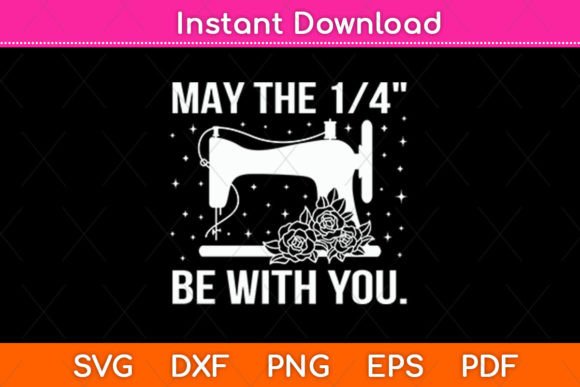
Every embroidery designer has a moment when a new design lands in their project folder. It's not about the file itself, but about the vision it sparks—the immediate mental image of what it could become on fabric. When I first saw May the 14th Be with You - Funny Sewer, that moment was pure, unadulterated fun. It’s a design that doesn’t whisper; it announces itself with a clever wink, perfectly blending a beloved pop culture theme with the proud, slightly gritty identity of a dedicated maker. This isn't just a graphic; it’s a ready-made personality for a finished product.
The Immediate Mood: Crafting with a Smile
The charm of this design is its layered humor. It speaks directly to the community—the sewers, quilters, and embroiderers who live in this world. The "May the 14th Be with You" pun is a solid, recognizable joke, but pairing it with "Funny Sewer" gives it a specific, insider appeal. The layout suggests a badge, a patch, a statement piece. My first thought was how this would look as a centered design on the back of a canvas tote bag for a fellow crafter. The mood it creates is lighthearted, confident, and communal. It feels like a design for gifts among friends, for items sold at a craft fair where the seller and buyer share a common language.
Where This Design Finds Its Home
In practical embroidery, a design’s true worth is measured by where it happily lives. May the 14th Be with You - Funny Sewer naturally gravitates towards projects that are meant to be seen and enjoyed daily, not tucked away.
Consider a high-quality cotton apron for a quilting enthusiast. Embroidered on a pocket or across the chest, it becomes a functional, personalized uniform. On a heavyweight sweatshirt, it transforms into a statement piece of casual apparel—something that gets compliments at the fabric store. As a standalone embroidered patch, it could be applied to a tool roll, a sewing machine cover, or a denim jacket, offering fantastic flexibility.
For small business owners, especially on platforms like Etsy, this design is a ready-made product idea. A simple tea towel or oven mitt adorned with this embroidery becomes a niche kitchen gift for a creative friend. A baby bib or toddler t-shirt with a toned-down, softer color palette could be a hilarious gift for a crafty parent. The design carries enough visual personality to elevate a basic item into a conversation piece, which is the core of value in handmade products.
Navigating the Stitch: Practical Performance Notes
Translating a digital file into physical stitches requires some forethought. The clear, bold lettering of this design is a major strength for embroidery clarity. However, any design with text demands attention to stitch density and scale.
My primary recommendation is to always test on scrap fabric first. Use a fabric similar to your final project—whether it’s the textured weave of a canvas tote, the smooth knit of a t-shirt, or the tight quilter’s cotton of an apron. This test run reveals everything: how small details like the periods or the hyphen hold up, whether satin stitches for the letters look clean, and how the overall layout balances.
For darker fabrics, thread color contrast is paramount. A bright white or a metallic silver for the main text would be stunning against a navy or black sweatshirt, ensuring the joke reads clearly from a distance. On light fabrics, richer colors like a deep blue or red could ground the design. Remember, the visual appeal of your finished product hinges on this clarity.
Considerations for a Smooth Embroidery Process
While the design feels robust, a few scenarios require extra care. If you’re planning to stitch it on a curved surface like a cap, consider simplifying or verifying the scale—tiny lettering on a curved, structured base can become challenging. Similarly, on very stretchy fabrics or thin linens, your choice of stabilizer becomes critical to prevent puckering or distortion, especially in any potential fill stitch areas.
Products meant for frequent washing, like kitchen towels or baby items, benefit from a tighter, denser stitch setup to ensure longevity. Always inspect the small details after your test run. Does the "Funny Sewer" text remain legible at your chosen size? This legibility directly impacts customer trust and the perceived professionalism of your work.
From Digital File to Commercial Asset
For creative entrepreneurs, a design like this is more than a one-off project. It’s a potential asset. Imagine using it to create a cohesive line of products for a small shop: matching aprons, totes, and patches. It could serve as branding for a humorous, craft-focused blog or social media account, appearing on merchandise. For digital product sellers, a well-executed embroidery of this design makes for an excellent, realistic printable mockup to showcase the file’s potential, boosting buyer engagement.
A crucial, non-technical note: always confirm the licensing terms provided with the original digital file. Before selling any finished items or using the design in commercial embroidery projects, you must know the rules. This protects your business and respects the designer’s work. Does the license allow for physical product sales? Are there quantity limits? This due diligence is part of professional operation.
The Final Stitch: A Design That Connects
In the end, May the 14th Be with You - Funny Sewer succeeds because it understands its audience. It’s a design that celebrates the maker. When embroidered well on a suitable product, it doesn’t just look good; it feels right. It creates a connection between the item and the person who receives it. It’s the kind of design that makes someone smile, point, and say, “That’s perfect for me.” For an embroidery designer, that reaction is the ultimate measure of a design’s real-world value. So, hoop up your test fabric, choose your threads with confidence, and stitch something that’s not just handmade, but thoughtfully, humorously made.