Evaluating an English Teacher Embroidery Design for Real Use
Every designer has those moments. You see a digital file, like the Never Mess with an English Teacher SVG, and your brain immediately starts visualizing it on fabric. It’s not just about the graphic anymore; it’s about thread, texture, and the final product a customer will hold. That’s the lens I’m using here.
The First Impression: Witty, Bold, and Perfectly Niche
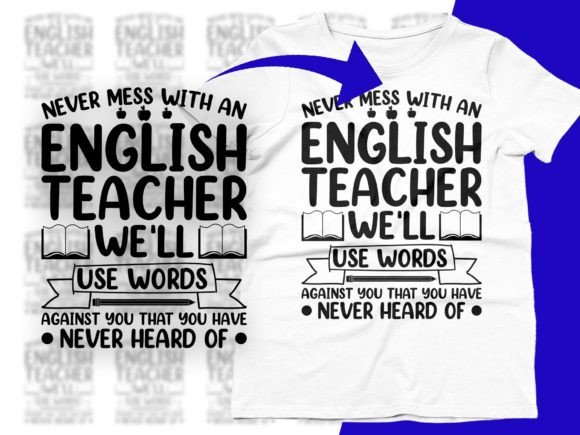
The phrase “Never Mess with an English Teacher” hits with a confident, playful wit. The added line, “We’ll use words against you that you have never heard of,” gives it a layered, clever personality. This isn’t a generic slogan; it has character. As a graphics file intended for T-shirt designs, it translates into a strong, text-based layout that feels ready for a clean, bold conversion into stitches.
My first thought was of a crisp satin stitch on a tote bag for a book-loving friend. The mood is intellectual but humorous, making it ideal for personalized gifts that feel thoughtful and specific, rather than mass-produced.
Where This Design Thrives in Embroidery Projects
The text-heavy nature makes it versatile across many embroidery projects. It excels on items where the message is central to the product’s identity.
- Custom Apparel: A sweatshirt embroidery or t-shirt for a teacher, librarian, or wordsmith. The bold statement becomes part of their personal style.
- Tote Bags & Aprons: Flat, stable surfaces perfect for showcasing clean lettering without distortion.
- Pillow Covers & Home Decor: In a reading nook or office, it adds a touch of personality.
- Embroidered Patches: This design could become a fantastic standalone patch, offering flexibility for craft business owners to sell or apply to various items.
- Baby Items & Nursery Decor: For a teacher’s newborn? Embroidered on a blanket with softer thread colors, it becomes a sweet, meaningful personalized gift.
- Holiday & Wedding Gifts: For the educator in your life, this on a kitchen towel or framed hoop art is genuinely thoughtful.
For Etsy sellers and small shop product lines, it fills a specific niche. It attracts a defined customer, which builds customer trust and brand consistency if your shop caters to educators, academics, or book lovers.
Considering the Stitching Reality: Where to Proceed with Caution
While the concept is strong, the execution in thread requires some practical foresight. A text-based machine embroidery design like this demands attention to detail to maintain stitching clarity.
- Small Hoop Sizes & Tiny Lettering: If the text elements are very fine or densely packed in the original SVG, they may not stitch cleanly on small items like caps or baby clothes. Test on scrap fabric first.
- Stitch Density on Thin Fabric: A high stitch density for fill stitches on lightweight tees could lead to puckering or a stiff feel. Proper stabilizer is non-negotiable.
- Dark Fabric & Thread Contrast: This witty message needs to pop. On dark fabrics, ensure your thread color choices—bright whites, clean creams, or bold colors—provide maximum contrast.
- Curved Surfaces: On caps or hats, the layout might need adjustment to flow with the curve, preventing distorted lettering.
- Products for Frequent Washing: For items like aprons or kitchen towels, consider a robust running stitch or simpler satin stitch construction for durability.
These considerations directly affect the final product value and handmade presentation. A clean, professional stitch on a suitable item elevates it; a poorly executed one on incompatible fabric undermines it.
The Designer’s Checklist Before Hooping Up
Before I’d run this embroidery file for a client or my own small business merchandise, here’s my mental walkthrough.
- Licensing & Commercial Use: The product description mentions it’s for creating shirts, mugs, and signs. I always confirm licensing before selling finished items. Is it for personal use only, or does it allow commercial embroidery?
- File Conversion & Detail Inspection: As an SVG intended for cutting machines, converting it to an embroidery format is key. I’d inspect every small detail and corner in the embroidery software, checking for any areas that might become problematic stitches.
- Mockups in Black & White: I test the design in simple black and white printable mockups to see how it reads without color. This helps judge the layout’s strength.
- Fabric & Texture Tests: How does it look on a smooth cotton versus a textured knit? I’d stitch a sample on both a light and dark fabric texture to finalize thread colors.
- Hoop Size Validation: I’d determine the minimum hoop size needed to maintain the integrity of the lettering and layout.
- Target Product Finalization: Based on the tests, I’d decide its best home. Maybe it’s perfect for a 12” x 12” pillow cover but too dense for a child’s t-shirt. That decision saves time and materials.
Final Judgment: A Design with Clear Purpose
The Never Mess with an English Teacher SVG isn’t a vague graphic. It’s a design with a clear audience and a strong voice. From my perspective as someone who turns files into physical products, its value lies in that specificity. It creates high giftability and recognition.
For creative entrepreneurs, it offers a ready-made design asset for a niche market. The practical work is in ensuring the embroidery translation honors the cleverness of the words. With careful testing on appropriate items—a sturdy tote, a quality sweatshirt, a decorative pillow—it becomes a product that feels custom-made and thoughtful, exactly what buyers in the handmade space are looking for. That’s the real project potential I see in it.