Hallow Pumpkin: A Friendly Halloween Embroidery Design
A First Impression: Spooky Sweetness
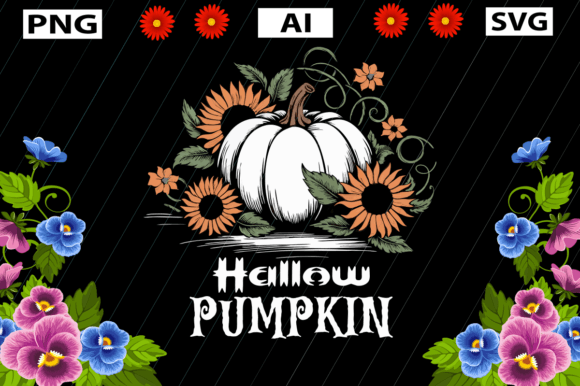
When you look at Hallow Pumpkin, the mood is immediately clear: friendly Halloween charm. This isn't a scary, jagged-edged design; it’s a smiling pumpkin with a classic, approachable feel. The layout is straightforward and balanced, which for an embroidery designer means it won’t fight with the fabric. The detail level feels manageable—it’s not overly intricate, which suggests it will stitch out cleanly without becoming a dense, stiff patch of thread. Its visual personality is cheerful and nostalgic, making it a natural fit for projects meant for gifts, family, or customers who prefer a lighter, more whimsical take on the holiday.
Where This Design Belongs in Your Project Queue
I picture Hallow Pumpkin embroidered onto a cozy, heavyweight sweatshirt or a canvas tote bag. It has the presence to stand alone as a central motif on a larger item. For a small business owner preparing boutique merchandise, it would shine on an apron or a pillow cover for seasonal home decor. Its friendly aesthetic also makes it a strong candidate for baby items—think a simple, sweet addition to a nursery blanket or a baby bib for a Halloween-themed photo. As a personalized gift, stitched onto a tea towel or a kitchen towel, it becomes a practical yet festive keepsake. For Etsy sellers and craft fair vendors, this design translates easily into a recognizable, giftable product that doesn’t require explanation—people instantly understand it.
Thinking Through Commercial Use and Customer Appeal
From a commercial embroidery perspective, Hallow Pumpkin affects product value by adding a clear, finished handmade touch. On a custom apparel item like a polo shirt or cap, it provides professional-looking holiday branding for a small shop or team. Its clarity and recognizable theme help build customer trust; the finished product looks intentional and well-made, not hastily chosen. For brand consistency, if your craft business leans into family-friendly, seasonal designs, this fits seamlessly. The design’s giftability is high—it’s universally likable and seasonally appropriate, which can boost engagement in your Etsy listings or craft fair display.
The Real-Life Stitching Scenario: A Halloween Tote Bag
Let’s walk through a real case: you’re preparing a custom embroidered tote bag for a Halloween market. You hoop a sturdy canvas bag, select a bright orange and a contrasting black or green for the lettering, and stitch out Hallow Pumpkin. The shape is likely to fill nicely without excessive stitch density, which is crucial for maintaining fabric flexibility on a bag that will be used. The smiling face and clear “Happy Halloween” text should stitch with good definition. After stitching, you’re judging the result: does it look inviting on the product? Would a customer see it and immediately think it’s a fun, quality item? For this design, the answer leans toward yes—it’s straightforward and joyful, which often translates well into a positive customer reaction.
Careful Application: Where to Pause Before Hooping
While Hallow Pumpkin seems adaptable, there are situations where you should use it carefully. If the design includes very tiny lettering for “Happy Halloween,” test it first on scrap fabric. Small, detailed lettering can become blurry if the stitch type or density isn’t optimal. Consider fabric texture: on a very textured fabric like a cable-knit sweater, the details might lose clarity. On stretchy fabric, like a t-shirt, proper stabilizer is non-negotiable to prevent puckering. For dark fabric backgrounds, thread color contrast is critical—that friendly pumpkin needs to pop. Embroidering on curved surfaces like caps requires checking the design’s orientation and size to ensure it sits well on the crown. And for products destined for frequent washing, like baby clothes or kitchen towels, a sensible stitch density will help the design endure.
Practical Notes for the Embroidery Designer
Before committing this embroidery file to a final project, here are my habitual checks:
- Test on scrap fabric first, preferably a similar weight and type to your final product.
- Review thread color contrast for both light and dark backgrounds. Create simple black and white mockups to judge shape clarity.
- Check the effective hoop size the design requires. A design with this presence likely needs a mid-sized hoop, but confirm with the actual file.
- Inspect small details in the preview. Are any corners or accents too fine for clean stitching on your target fabric?
- Use proper stabilizer for the fabric you’ve chosen. This is a universal rule, but it’s especially important to preserve the design’s friendly appearance.
- Confirm licensing before selling finished items or digital products. The product category is Crafts and type is Graphics, so you must verify whether this digital embroidery file is licensed for personal use, commercial embroidery projects, or both.
Final Judgment: A Solid, Seasonal Asset
Hallow Pumpkin strikes me as a practical, mood-setting design for your Halloween project lineup. It doesn’t overcomplicate the theme, which in embroidery is a benefit—it translates reliably from a digital file looks to a stitched finished product. For embroidery designers and makers, it serves as a versatile design asset for creating personalized gifts, small shop merchandise, and commercial embroidery items that feel cohesive and crafted. Its strength is in its clear, cheerful personality. Just remember the fundamental rules: test it, match it to the right product, and always know your license. Then, this friendly pumpkin can become a reliable part of your seasonal craft business or hobbyist repertoire.