Silhouette Pilots: A Designer's Review for Real Embroidery
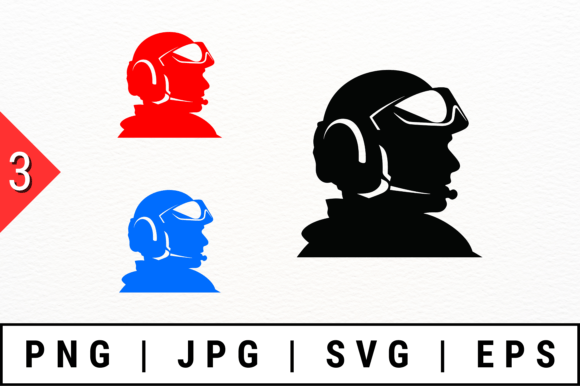
When a set of designs arrives on my screen, my first thought isn't about its technical specs—it's about its potential. What could this become in the hands of a maker? The Vector Art of Pilot Silhouettes presents itself as a trio of clean, iconic shapes: the helmet and headset profile in red, blue, and black. My immediate impression is one of bold, confident simplicity. It evokes a sense of adventure, professionalism, and a touch of retro cool. This isn't a fussy, detailed portrait; it's a graphic statement. That tells me it’s a strong candidate for projects where a clean, recognizable symbol is needed.
Where These Silhouettes Naturally Land in an Embroidery Project
Imagine you're preparing a custom embroidered tote bag for a client who's a flight instructor. You want something that speaks to their passion but feels modern and wearable, not like a corporate logo slapped on fabric. This is where these silhouettes shine. The solid shape lends itself beautifully to a crisp satin stitch or a dense fill stitch, creating a bold graphic element. I can see it working exceptionally well on a heavyweight sweatshirt, a structured apron, or the front of a canvas cap. The single-color nature of each design means you can match thread perfectly to the intended red, blue, or black, or even swap it out for a client's preferred color, making it a versatile choice for personalized gifts.
For small business owners, like an Etsy seller crafting boutique baby items, the smaller silhouette could be a charming, subtle nod to a parent’s career on a baby blanket or nursery pillow cover. The clarity of the shape ensures it remains recognizable even at a smaller hoop size, avoiding the muddle that can happen with overly complex designs on tiny items. For apparel decorators, it's a quick, impactful design that elevates a basic tee or hoodie into a themed piece without overwhelming the garment.
Performance on Fabric: A Practical Perspective
In real-life embroidery, a design's success hinges on how it translates from screen to stitch. Here’s my practical judgment on these pilot silhouettes. The high-resolution vector basis is a good start; it suggests the design can be scaled without losing integrity, which is crucial for adjusting hoop size from a large back patch to a small cap logo. The lack of intricate interior details is a major advantage. There are no tiny corners or thin lines that could get lost in a textured fabric like a sweater or become problematic on stretchy fabrics.
However, the solid nature of the silhouette means it will be a concentrated area of stitching. On thin fabrics like standard t-shirts, using a proper stabilizer is non-optional to prevent puckering. For dark fabric backgrounds, the black silhouette version would obviously disappear, but the red and blue could pop nicely, provided your thread color contrast is strong. I’d advise testing the red on a black scrap fabric first—sometimes a red thread on black can read darker than you expect. Conversely, the black silhouette on a light fabric, like a cream kitchen towel, would be stark and graphic, perfect for a modern gift.
Careful Application: When and Where to Tread Lightly
Even a strong, simple design has its considerations. The density of a full silhouette fill stitch requires attention on curved surfaces like caps. You'll need to ensure your hoop technique and stabilizer handle the curve to maintain the shape’s clean edges. While it's not a design with tiny lettering, the outline itself—especially the profile of the headset—is its defining feature. On very small hoop sizes, you must check that this outline remains distinct after stitching; sometimes satin stitch borders can blur if the area is too minute.
For products destined for frequent washing, like kids' apparel or kitchen linens, the integrity of this solid stitch area is key. A well-digitized file with appropriate stitch density will hold up better. Since we don't have the exact file specs here, this is a reminder to always test the embroidery file on a scrap of similar fabric first, mimicking the wear it will receive. This design feels like it would be excellent for an embroidered patch, which could then be applied to various items, sidestepping some direct fabric challenges.
The Impact on Your Craft Business and Customer
From a commercial perspective, these silhouettes affect more than just the stitch. They offer visual clarity that builds customer trust. A clean, well-embroidered graphic on a tote bag or sweatshirt looks professional and intentional—it elevates the handmade presentation. For branding, whether for an aviation-themed small shop or a personal gift for a pilot, the design provides consistent, recognizable iconography. Its giftability is high; it’s a thoughtful symbol without being overly personal or sentimental.
For the maker, it’s a flexible design asset. You could use it across a product line—from adult apparel to nursery decor—creating a cohesive collection for your craft business or Etsy listings. In digital product previews or printable mockups, the strong silhouette renders clearly, helping potential buyers instantly grasp the design. This engagement is crucial for selling finished products or even the digitized embroidery file itself.
Essential Designer Notes Before You Hoop the Fabric
Before committing this to a client project or your boutique merchandise, here’s my checklist. Always, always test on scrap fabric first. This tells you about the actual stitch density, thread coverage, and how the design sits on your specific material. Compare it on both light and dark background scraps if you plan to offer both options. Check the thread color contrast; the provided red, blue, and black are guides, but your thread brand and fabric color will interact.
Confirm the hoop size you intend to use can accommodate the design comfortably—the silhouette should fill the space without feeling cramped. Since the product is categorized under Crafts and Graphics, and described as vector art, it’s vital to inspect any provided details for small details in the vector conversion to an embroidery file. If you’re using it for commercial embroidery projects, explicitly confirm the licensing terms before selling finished items. Can you use it for personal and commercial projects? That clarity is the bedrock of a professional operation.
Finally, think about its application. This Vector Art of Pilot Silhouettes isn’t a niche, ornate piece. It’s a robust, graphic emblem. Its strength is in its simplicity and mood. It won’t whisper; it will state. That makes it a reliable, versatile tool in your embroidery design toolkit, ready to become part of a story—on a gift, on a product, or on a uniform—with every stitch.