Blessed Are the Quilters: A Design Review for Real Projects
As a designer who has spent years embroidering everything from boutique aprons to custom baby blankets, I have a particular love for designs that feel like they already belong to a project before I even put them in the hoop. When I first saw “Blessed Are the Quilters,” I had that immediate, intuitive click. It wasn’t just a cute phrase; it felt like a warm, gentle nod to a community I know intimately.
The Personality and Promise of This Design
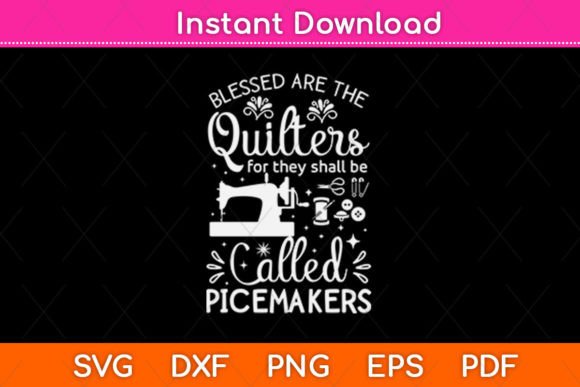
The mood here is affectionate and clever, a playful reimagining of a familiar sentiment. “Blessed Are the Quilters for They Shall Be Called Piecemakers” isn’t just text; it’s a story condensed into a single line. The layout feels balanced, suitable for a horizontal or perhaps a slightly rounded presentation. Its charm lies in its specificity. This isn’t generic craft content. It speaks directly to quilters, and that focused theme is its greatest strength. For embroidery, that means it creates an immediate sense of belonging. When I imagine stitching this, I think of a soft satin stitch for the main lettering, perhaps with a subtle fill stitch in a contrasting thread for “Piecemakers” to give it a little emphasis.
A Perfect Scenario: The Personalized Gift Tote
Let’s walk through a real case. I’m preparing a custom embroidered tote bag for a quilting friend’s birthday. I want it to be useful, beautiful, and resonate with her passion. “Blessed Are the Quilters” is an ideal candidate. It’s personal without being overly sentimental, witty without being kitschy. On a sturdy canvas tote, I’d aim for a mid-size hoop to keep the lettering clear and legible. The success of this embroidery project hinges on stitching clarity—each word needs to be distinct so the joke and homage read perfectly from a few feet away. That’s where stitch density and the right stabilizer become critical, especially on a fabric that might have a loose weave.
Where This Design Finds Its Best Home
The natural habitat for “Blessed Are the Quilters” is any product meant for a maker, or celebrating one. My mental list starts with custom apparel like relaxed sweatshirts or soft t-shirts for a quilting circle. An embroidered patch, made from this design, could be a fantastic badge of honor on a denim jacket or a quilted bag. Think of practical, cherished items: apron pockets for someone sewing in their studio, the corner of a cozy pillow cover in a reading nook, or even a decorative kitchen towel in a craft-heavy home. For small shop merchandise or Etsy listings, this design adds value because it connects emotionally. A customer buying a personalized gift for a quilter isn’t just buying a mug or a tea towel; they’re buying a recognition of identity.
It also translates beautifully to non-apparel. Consider it for nursery decor in a home where handmade blankets are treasured, or as a framed hoop art piece for a craft room. The design’s theme elevates a simple object into a statement piece. For commercial embroidery or a craft business, using it on products for holiday gifts—like Mother’s Day or Christmas—could resonate deeply, tapping into that sense of community and shared passion.
Potential Pitfalls: A Designer’s Cautionary Notes
While the design’s appeal is broad, its application needs careful thought. The main consideration is scale. On very small hoop sizes, the lettering, especially the longer words, could become cramped. Stitching it onto a curved surface like a cap requires testing—the text layout might need slight adjustments to fit the contour without distorting the message. Dark fabric backgrounds demand high-contrast thread colors; a bright white or a soft pastel might be necessary to ensure readability.
Also, be mindful of fabric texture. On very thin or stretchy fabric, like a lightweight t-shirt, the integrity of the satin stitch could be compromised without proper stabilization. And for items destined for frequent washing—like baby clothes or kitchen linens—you’ll want to ensure the stitch count is robust enough to withstand wear while maintaining its clean look. The small details, the spaces between letters, are where the embroidery file’s quality shows itself in the finished product.
How This Design Impacts Your Work and Your Customer
From a professional standpoint, “Blessed Are the Quilters” affects more than just aesthetics. Its visual appeal is rooted in its cleverness, which in turn boosts the perceived value of the item you create. A well-embroidered version of this on a tote bag feels more thoughtful, more handmade product, than a generic pattern. That builds customer trust and engagement. For an Etsy seller, it’s a design that tells a story in your printable mockup, helping a buyer envision it as a perfect gift.
It aids in brand consistency for a shop focused on the maker community. Offering a range of products featuring this design—from patches to pillow covers—creates a cohesive collection. The “giftability” is high because it’s so specific; it feels chosen, not random. This specificity also lends a touch of professionalism to your work; it shows you understand niche audiences and can create for them.
Essential Steps Before You Stitch
Before committing this design to a client’s sweatshirt or your own boutique product line, do the practical groundwork. Always test the design on scrap fabric first, using the same material you intend for the final project. This reveals how the stitch density interacts with your fabric’s texture. Check thread color contrast by testing on both light and dark background swatches. Inspect the small details in a test run—are the connections between words clear? Does “Piecemakers” stand out as intended?
Confirm your hoop size choice by stitching a sample. For digital embroidery files, ensure you understand the licensing for your use, especially if you plan to sell the finished product commercially. A crucial step is to view the design in simple black and white mockups to judge its form without color distracting you. This helps assess its balance and legibility purely as shape.
Ultimately, “Blessed Are the Quilters” is more than a graphics file; it’s a concept waiting for thread and fabric. It belongs to the world of crafts in the most genuine way. Its success in any embroidery project—from a heartfelt wedding gift for a crafting couple to a best-selling tote bag design in your small shop—depends on treating it with that designer’s care: testing, adapting, and stitching with an understanding of the person who will ultimately cherish it.