Evaluating the Vintage Baseball Player Design for Real Projects
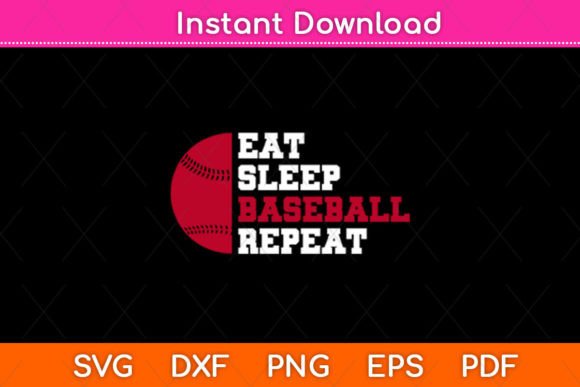
As someone who stitches designs daily for clients and my own shop, my first reaction to the Vintage Baseball Player Eat Sleep graphic was a smile. It hits that nostalgic, relaxed sports vibe perfectly. The layout—with the central player figure and the surrounding mantra—has a balanced, almost classic feel that doesn’t feel overcrowded. This isn’t a hyper-detailed illustration; it’s a stylized graphic with a clear personality. That’s a huge advantage for embroidery, where overly intricate details can get lost in translation from screen to stitch.
The Kind of Projects This Design Calls For
I immediately pictured this on a medium-weight cotton sweatshirt or a canvas tote bag. It feels inherently casual and giftable. For example, I’m considering it for a custom tote for a client’s brother who coaches Little League—it’s that perfect mix of personal and thematic without being too loud. The “Eat Sleep Baseball Repeat” text frames the player nicely, making the whole piece feel like a complete statement rather than just an image. This design would also shine on a pillow cover in a sports-themed room, a kitchen apron for a baseball fan, or a simple patch applied to a denim jacket. Its vintage aesthetic gives it a softer edge, making it suitable for more sentimental items like a baby blanket for a newborn in a baseball-loving family, where a modern, aggressive sports logo might feel too harsh.
Where This Design Performs Best in Embroidery
For machine embroidery, this graphic’s strength lies in its defined shapes and readable text. On custom apparel like t-shirts and sweatshirts, the solid forms of the player and the bold lettering will translate well into clean satin stitches or fill stitches. For a craft business or Etsy seller, it’s a versatile asset. You could use it for a series of products: embroidered tea towels for a boutique, caps for local team supporters, or even as a small accent on nursery decor. As a digital embroidery file, its appeal in printable mockups for your shop is obvious—it tells a clear story. For commercial embroidery projects, like a batch of polo shirts for a recreational league, the design is recognizable and professional without being corporate.
A Real Scenario: Preparing an Embroidered Sweatshirt Gift
Let’s walk through a typical use. I’m stitching this onto a heather gray sweatshirt as a holiday gift. My primary concern is stitch clarity, especially for the smaller text like “Repeat.” I’d choose a slightly larger hoop size than minimum to ensure the satin stitches on those letters have enough width to be legible. On a medium-dark background, I’d opt for a classic cream or white thread for the main design, with maybe a navy for the player’s outline to add a bit of depth. The result would be a cozy, high-value handmade product that feels thoughtful and specific. A customer’s reaction here is key—they’re likely to connect with the nostalgic mood and the clear, crisp embroidery.
Caution Areas: Where to Be Mindful
While versatile, the Vintage Baseball Player Eat Sleep design requires some practical forethought. On very small items, like a baby onesie or the curved surface of a cap, those text elements could become challenging. If you’re working with a small hoop size, you might need to simplify or ensure your machine settings are precise for the denser areas. Stretchy or thin fabrics, like a lightweight tee, will need careful stabilizer choice to prevent the design from puckering, especially around the filled shape of the player. Also, on dark fabrics, the contrast needs to be strong; a single light thread color might not pop enough—consider a two-color approach for the figure and text.
The design’s decorative accents are charming, but they can be subtle. On textured fabrics like a blanket, they might blend in. Always test a section on a scrap of your final fabric first. This isn’t just about checking technique; it’s about seeing how the design’s personality changes when rendered in thread. Does it still feel vintage and warm? Does the text remain a fun readable mantra, or does it become a fuzzy line?
How This Design Impacts Your Craft Business
From a small shop owner’s perspective, using a design like this effectively boosts product value and customer trust. A well-embroidered Vintage Baseball Player item on your Etsy listing or craft fair table shows craftsmanship. It’s a complete, themed product that tells its own story, which aids in buyer engagement. For brand consistency, if your shop leans into nostalgic or sports-themed gifts, this graphic becomes a reliable asset. Its giftability is high—it’s personal without needing a specific name, making it a safe yet thoughtful choice for your customers to purchase as a present.
Practical Notes for the Embroidery Designer
Before you commit this to a final project, run through this quick checklist. Test the embroidery file on a scrap of your target fabric first. Check thread color contrast against both light and dark backgrounds—sometimes a design looks different in black and white mockups. Review the stitch density in your software preview; are there any overly dense corners that might need adjustment for your specific machine? Confirm your hoop size can accommodate the design with clear margins. Inspect the small details, like the gaps between letters; will they stitch cleanly?
Always use the proper stabilizer for your fabric type; this is crucial for maintaining the design’s clean lines. Finally, and most importantly for commercial use, check the licensing terms provided with the Vintage Baseball Player Eat Sleep graphic. As it’s an instant download file for use with cutting machines, understand the permissions for selling the finished embroidered product or using it in digital product previews. Never assume; clarity here protects your business.
In the end, the Vintage Baseball Player Eat Sleep design is a strong, mood-setting graphic that translates well into the tactile world of embroidery. It invites projects that feel personal, commercial, and genuinely crafted. By approaching it with a practical eye—testing, adapting to your fabric, and respecting its licensing—you can turn this digital asset into a standout handmade product that resonates with customers and fulfills that nostalgic sports fantasy beautifully.